
Child Safeguarding & Protection
Creating safe, respectful and supportive environments where every child can learn, grow and thrive.
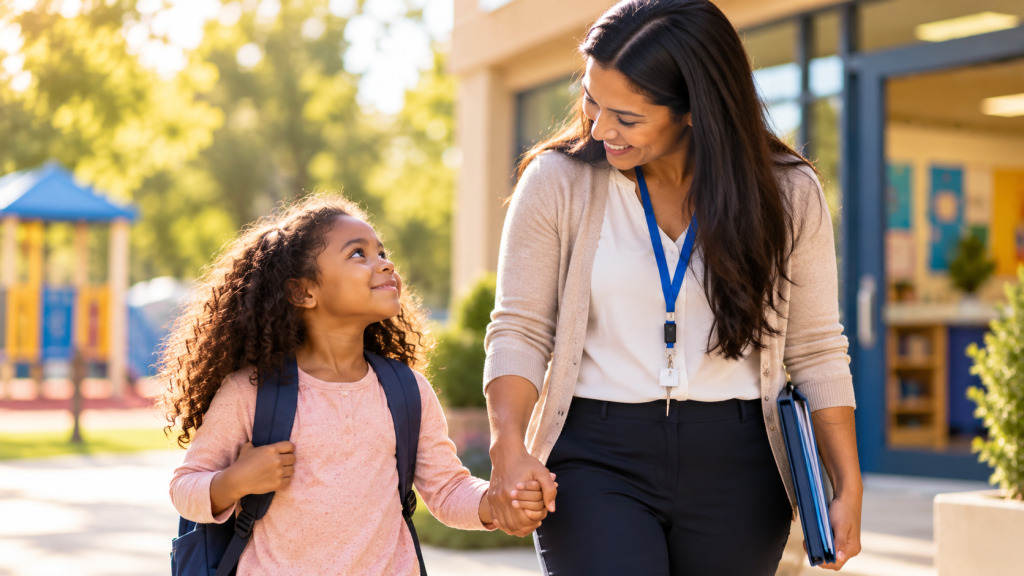
Child safeguarding is the responsibility of everyone involved in the lives, education and development of children. It involves preventing harm, recognising concerns, responding appropriately and creating environments where children are treated with dignity and respect.
Schools, educators, families, organisations and communities all have an important role to play in protecting children from abuse, neglect, exploitation, violence and other forms of harm.
Prevent Harm
Establish safe systems, appropriate boundaries, responsible practices and environments that reduce risks to children.
Recognise Concerns
Adults working with children should understand possible indicators of abuse, neglect and other safeguarding concerns.
Respond Safely
Concerns should be handled promptly, respectfully and through appropriate safeguarding and reporting procedures.
What is Child Safeguarding?
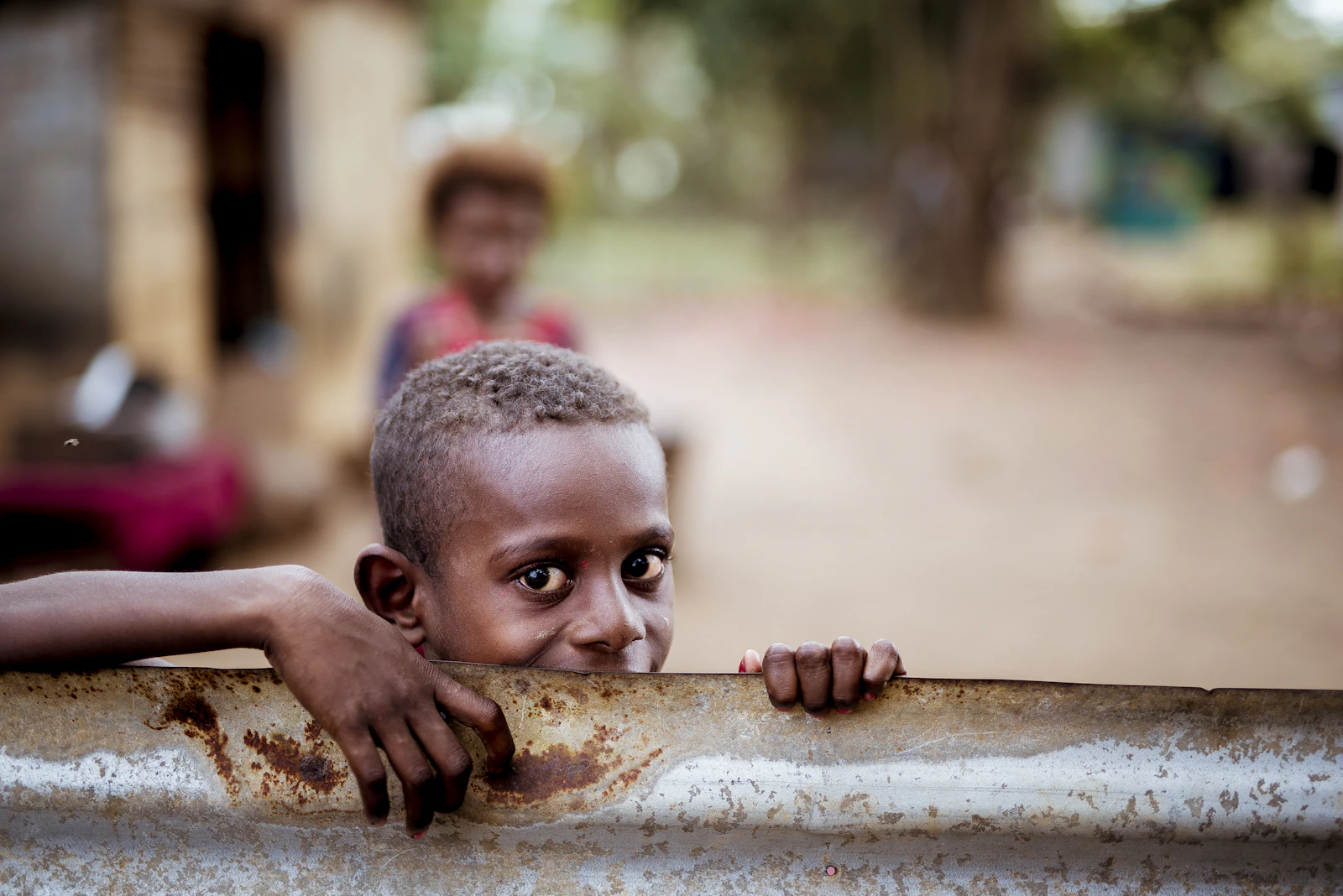
Child safeguarding refers to the measures and practices used to protect children from abuse, neglect, exploitation, violence and other forms of harm. It also includes creating environments in which children feel safe, respected, listened to and supported.
Safeguarding is broader than responding to incidents after they occur. Effective safeguarding includes prevention, awareness, safe recruitment and conduct, appropriate supervision, reporting mechanisms and a culture that puts children’s welfare at the centre of decision-making.
Understanding Different Forms of Harm
- Physical abuse — deliberate physical harm or actions that cause injury.
- Emotional abuse — behaviour that seriously affects a child’s emotional wellbeing, confidence or development.
- Sexual abuse and exploitation — involving a child in sexual activity or exploitation.
- Neglect — persistent failure to meet a child’s basic physical, emotional, educational or safety needs.
- Bullying and peer abuse — harmful behaviour between children, including repeated intimidation, harassment or exclusion.
- Online harm — risks associated with digital communication, social media, online exploitation, cyberbullying and inappropriate content.
Building a Child-Safe Environment
Safeguarding is most effective when it becomes part of an organisation’s everyday culture rather than being treated as a separate activity.
For Schools & Organisations
- Clear safeguarding policies and procedures
- Appropriate staff conduct standards
- Safe recruitment and vetting practices
- Appropriate supervision of children
- Accessible reporting mechanisms
- Regular safeguarding training
For Educators & Adults
- Maintain professional boundaries
- Listen to children respectfully
- Take concerns seriously
- Record relevant information accurately
- Report concerns through the proper channels
- Protect confidentiality appropriately

Listening to Children
Children should have opportunities to express their views, ask questions and raise concerns in ways that are appropriate for their age and circumstances.
Adults should listen without blaming, judging or pressuring a child. When a child discloses something concerning, the response should focus on their immediate safety and follow the organisation’s safeguarding procedures.
Child Safeguarding in the Digital World
Children’s learning and social lives increasingly involve digital technologies. Safeguarding therefore also requires attention to online environments.
- Teach children about responsible and safe online behaviour.
- Establish clear rules for digital communication between adults and learners.
- Protect children’s personal information and digital privacy.
- Provide clear procedures for responding to cyberbullying and online safeguarding concerns.
Safeguarding is Everyone’s Responsibility
Protecting children cannot be the responsibility of one individual or department alone. It requires a shared commitment from educators, school leaders, parents, guardians, learners, organisations and the wider community.
A strong safeguarding culture is built through prevention, awareness, respectful relationships, appropriate reporting and continuous improvement.
Learn. Protect. Empower.
Bertum Education & Career Hub promotes education, professional development and safer learning environments that support children’s wellbeing and development.
Explore BertumThe rest is kept for members
Buy it to read the rest. It opens at once after payment.



Discussion
Blog · 3 membersJoin the discussionCreate your account in one minute, without leaving the article.
Create my accountSign in