Autistic children, like all children, have unique strengths and abilities, and with the right support, they can pursue a wide range of careers. Many excel in areas that require focus, attention to detail, and structured routines. Careers in technology and IT, such as software development, data analysis, web design, and cybersecurity, are often well-suited because they involve predictable tasks and deep concentration. Science and research roles, including laboratory technician, research assistant, and statistics, can also be ideal due to autistic individuals’ analytical skills and precision. Creative fields like graphic design, animation, writing, music production, and photography allow them to harness both creativity and attention to detail. Skilled trades and technical work, such as robotics, electronics, carpentry, or engineering support, provide hands-on tasks with clear processes. Administrative roles like bookkeeping, data entry, library science, and inventory management benefit from strong organizational skills and consistency. Health-related and specialized support careers, such as medical coding, veterinary assistance, or laboratory work, can also be suitable for those who thrive in focused, structured environments. With encouragement to focus on their strengths, structured training, workplace accommodations, and mentorship, autistic children can succeed in fulfilling and meaningful careers, contributing their talents in ways that align with their abilities and interests.

Get Started
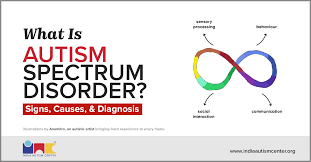
Autism, or Autism Spectrum Disorder (ASD), is a developmental condition that affects how children perceive the world, communicate, and interact with others. Every autistic child is unique, with a distinct combination of strengths, challenges, and needs. Understanding these differences is key to supporting their growth and inclusion.
Recognizing the Signs
Autistic children may show a variety of behaviors and characteristics, including:
Difficulty with social interactions, such as making eye contact or understanding social cues
Repetitive movements or routines, like rocking, hand-flapping, or strict adherence to daily schedules
Strong interests in specific topics or activities
Sensory sensitivities, such as being highly sensitive to lights, sounds, or textures
Delayed or unusual language development
It’s important to remember that not all children will display all these signs, and each child’s experience is unique.
Supporting Autistic Children
Supporting autistic children requires patience, understanding, and consistent strategies:
Structured routines: Predictable daily schedules help children feel safe and reduce anxiety.
Clear communication: Using simple, direct language or visual aids can improve understanding.
Encouraging strengths: Many autistic children have remarkable talents or interests that can be nurtured.
Social support: Guided social interactions can help children develop meaningful connections.
Professional guidance: Speech therapists, occupational therapists, and special education professionals provide invaluable support.
Promoting Inclusion
Inclusion in schools, communities, and activities is essential. Creating environments where autistic children can participate fully helps develop social skills, self-confidence, and a sense of belonging. Awareness campaigns, teacher training, and peer education all contribute to more inclusive communities.
Celebrating Differences
Autistic children often view the world in ways that are creative, insightful, and unique. By embracing their differences rather than trying to “normalize” them, we allow children to thrive on their terms. Patience, empathy, and respect are the foundation of a supportive environment for every child on the spectrum.
Careers For Autistic Children