
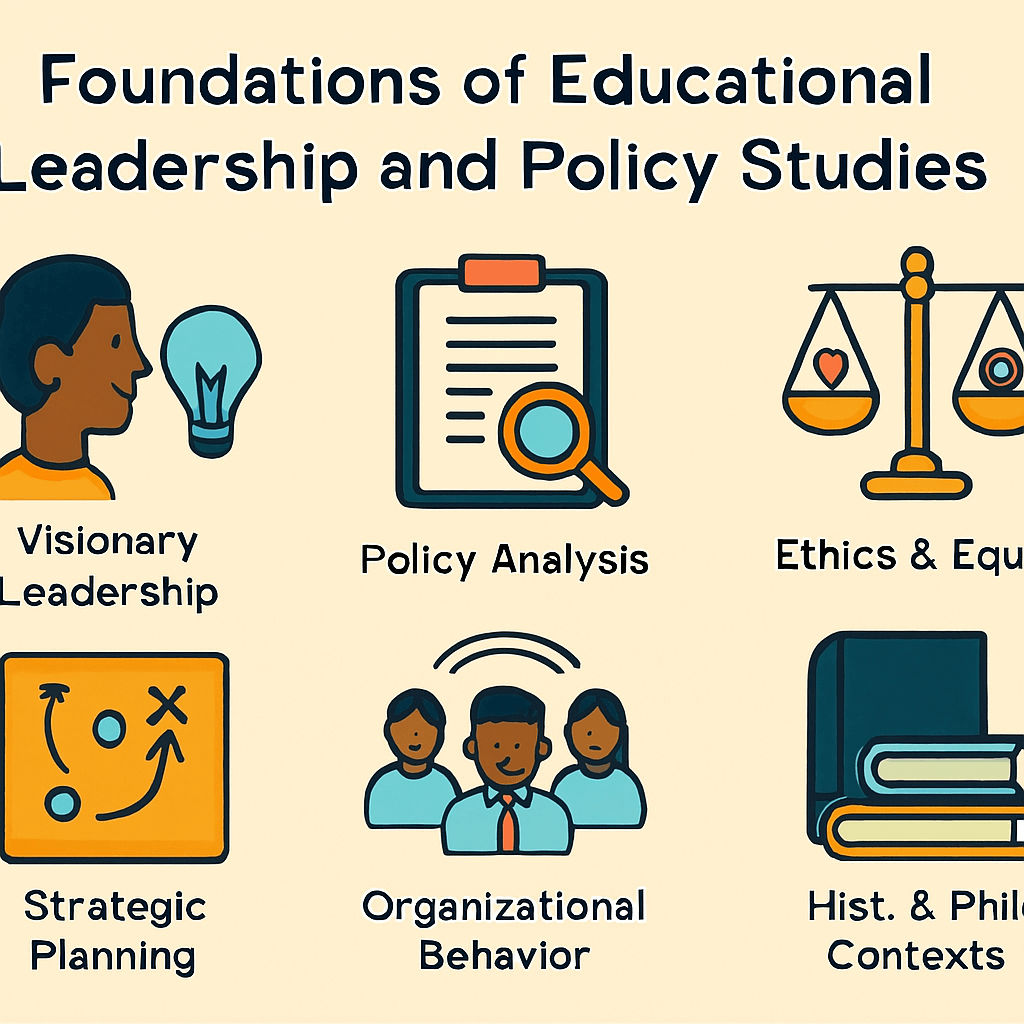
Foundations of Educational Leadership and Policy

Wishlist Share

About Course

Course Overview

Educational leadership and policy form the foundation of how schools and educational systems are organized, managed, and improved. This course introduces learners to the principles, theories, and practices of effective leadership and policy-making in education. It explores how educational leaders influence teaching, learning, and school culture, as well as how policies are developed, implemented, and evaluated to ensure quality education.

Learners gain an understanding of the role of leadership in driving change, fostering collaboration, and addressing challenges in diverse educational contexts. The course highlights the link between leadership decisions and policy frameworks, emphasizing the importance of equity, inclusion, accountability, and continuous improvement.

By engaging with this course, learners build the knowledge and skills to critically analyze educational policies, understand leadership styles, and reflect on their own potential as leaders within educational settings.


Learning Outcomes

By the end of this course, learners are able to:

  1. Explain the key concepts and theories of educational leadership and policy.

  2. Identify different leadership styles and their application in educational contexts.

  3. Analyze how policies shape decision-making and practice in education.

  4. Evaluate the role of leadership in promoting equity, inclusion, and quality learning outcomes.

  5. Reflect on personal leadership potential and approaches to educational challenges.


Target Audience

This course is designed for:

  • Aspiring and practicing teachers interested in leadership roles.

  • School administrators and coordinators seeking to strengthen leadership skills.

  • Education policymakers and planners.

  • Students pursuing education studies at higher learning institutions.

  • Professionals interested in understanding how leadership and policy interact in education.

Show More

Course Content

Introduction to Educational Leadership and Policy
An introduction to Educational Leadership and Policy explores the theories, practices, and structures that shape and guide educational institutions to improve student learning and equity. It examines how leaders, through policy and action, can foster better teaching and learning conditions by considering the cultural, political, and ethical systems within schools and educational settings. The field focuses on developing visionary, transformative leaders capable of navigating complex policy challenges and adapting to the evolving demands of the global educational landscape to ensure equitable and high-quality learning for all students.

  • Historical Milestones in Evolution of Educational Leadership & Policy
  • Relationship between Leadership and Policy in Education
  • Role of Effective and Efficient Educational Leadership in Shaping Educational Policies
  • Reflection 1
  • Reflection 2

Leadership Theories
Educational leadership is guided by various theories that explain how leaders influence teaching, learning, and school effectiveness. These theories provide frameworks for understanding leadership styles, decision-making, motivation, and organizational dynamics.

Educational Policy Formulation and Analysis
Educational policy formulation and analysis involve the process of developing, implementing, and evaluating policies that guide the education system. It includes identifying educational needs, setting goals, and designing strategies to achieve desired outcomes. Policy analysis examines the effectiveness, equity, and efficiency of policies, helping stakeholders make informed decisions. This process ensures that educational policies are evidence-based, responsive to societal needs, and capable of improving learning outcomes and overall system performance.

Leadership for Social Justice and Equity
This module explores the role of educational leadership in promoting fairness, inclusivity, and ethical practices within diverse learning communities. It equips participants with the knowledge, attitudes, and skills needed to identify and address systemic inequities in education. Through critical reflection, case studies, and practical activities, participants learn how to lead with empathy, advocate for marginalized groups, and create policies and practices that ensure all learners have equitable access to quality education.

Global Trends in Educational Leadership and Policy
This module explores how education systems worldwide are adapting to rapid social, economic, and technological changes. It highlights the evolving roles of educational leaders in shaping policies that respond to globalization, inclusion, equity, and innovation. Learners examine leadership models that promote collaboration, accountability, and continuous improvement. The module also discusses emerging trends such as data-driven decision-making, digital transformation in education, inclusive and ethical leadership, and evidence-based policy development. It emphasizes the need for leaders to think globally while acting locally to ensure relevance and sustainability of educational reforms. Overall, the module prepares educators to understand global education dynamics, analyze policy impacts, and lead with a vision that promotes quality, equity, and lifelong learning for all.

Policy Implementation and Evaluation
This module focuses on the processes and strategies involved in putting educational policies into practice and assessing their effectiveness. It explores how policies are translated from written guidelines into actionable programs, highlighting the roles of educational leaders, stakeholders, and institutions. Key topics include stages of policy implementation, factors that influence successful execution, monitoring and evaluation techniques, and tools for measuring impact. The module also emphasizes the importance of feedback loops, evidence-based decision-making, and continuous improvement to ensure that educational policies achieve their intended goals and positively affect teaching, learning, and institutional outcomes.

Ethical Leadership in Education
The Ethical Leadership in Education module explores the principles, values, and practices that guide leaders in fostering integrity, fairness, and responsibility within educational settings. It emphasizes the role of ethical decision-making in shaping school culture, promoting trust among staff and students, and ensuring equitable policies and practices. Participants examine frameworks for moral and professional conduct, strategies for resolving ethical dilemmas, and the impact of leadership behavior on student outcomes and organizational effectiveness. Through case studies, reflective exercises, and discussions, learners develop the skills to lead with accountability, model ethical behavior, and cultivate inclusive, transparent, and morally responsible educational environments.

Educational Leadership and Organizational Change
The Educational Leadership and Organizational Change module explores how educational leaders guide institutions through transitions, innovations, and improvements. It examines the principles, strategies, and skills necessary to manage change effectively while maintaining a positive learning environment. The module covers theories of organizational change, leadership styles, and approaches to building collaborative cultures that support innovation. Learners analyze the challenges and resistance that often accompany change and explore ways to engage stakeholders, communicate vision, and sustain improvements over time. Emphasis is placed on strategic planning, problem-solving, and ethical decision-making as leaders work to align organizational goals with student success, staff development, and community expectations.

Policy and Leadership in the Digital Age
This module looks at how educational leaders guide schools through the rapid changes brought about by digital technology. It highlights the need for leaders to understand digital policy, manage technology responsibly, and support teachers and students as they adapt to new digital tools. The module also shows how strong leadership helps create safe, inclusive, and purposeful digital learning environments. It covers issues like data privacy, digital equity, responsible use of AI, and the importance of building a shared digital vision within schools. Overall, the module explains that effective leadership in the digital age is not just about adopting technology but about shaping policies and practices that make digital learning meaningful, ethical, and beneficial for everyone.

Future Directions in Educational Leadership and Policy
Future Directions in Educational Leadership and Policy looks at how education systems can adapt to the fast changes shaping schools today. The module explores how leaders can plan for learning environments that are more flexible, technology aware, and responsive to the needs of diverse learners. It highlights trends such as personalized learning, digital transformation, stronger community partnerships, and evidence based policy making. The focus is on helping leaders think long term, anticipate challenges, and design policies that support innovation while still protecting equity and quality in education.

Earn a Certificate of Completion

Add this certificate to your resume to demonstrate your skills & increase your chances of getting noticed.
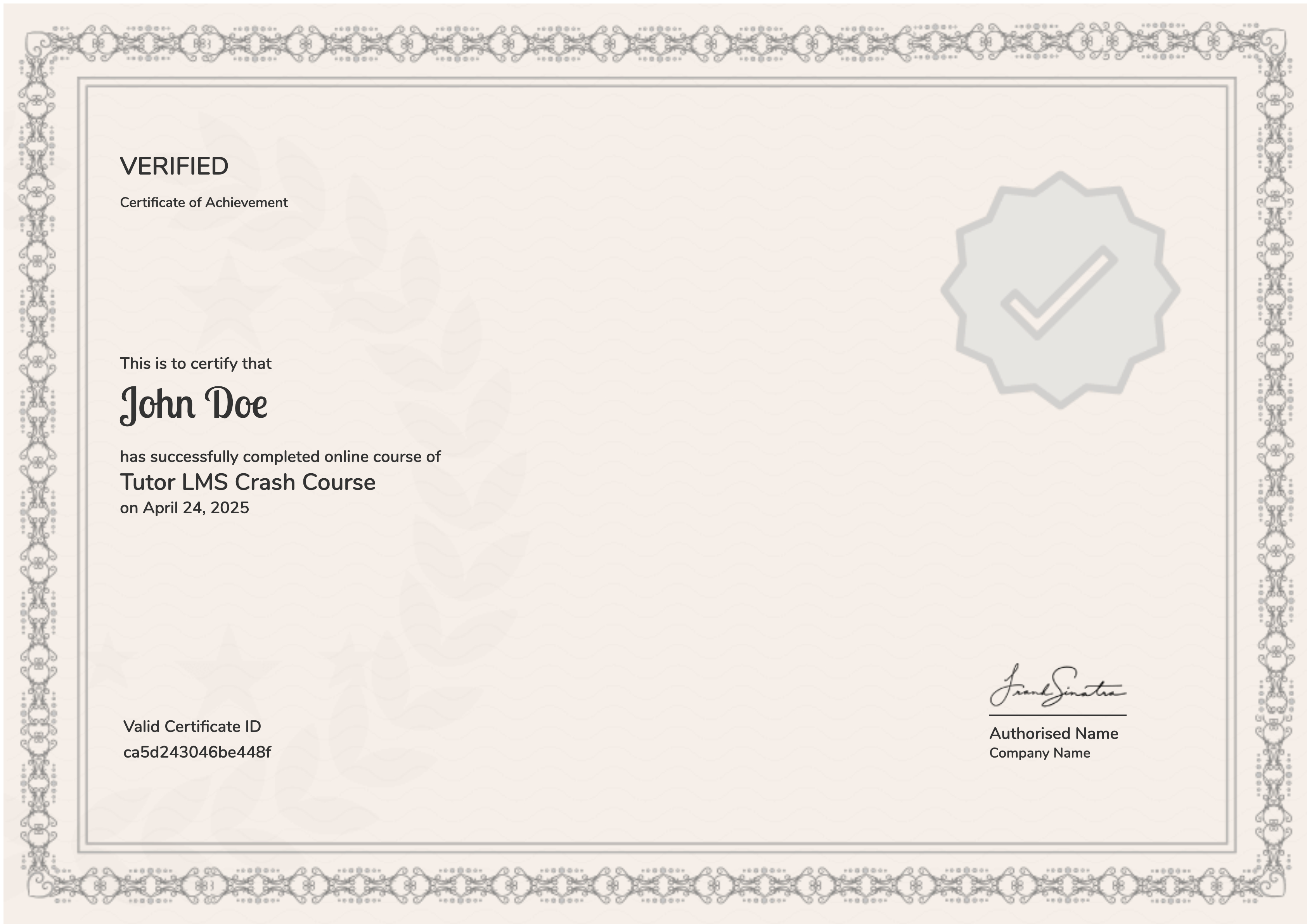
selected template

Student Ratings & Reviews

No Review Yet
No Review Yet

Want to receive push notifications for all major on-site activities?

✕
Gilbert Mutingu Jaddy

Gilbert Mutingu Jaddy

Founder, Director & Chief Executive Officer

I will be back soon

Gilbert Mutingu Jaddy
Hey! We’ve got a great sale offer running. I am happy to tell you about it. Let me know if you've any questions.
Contact Us Today
chat