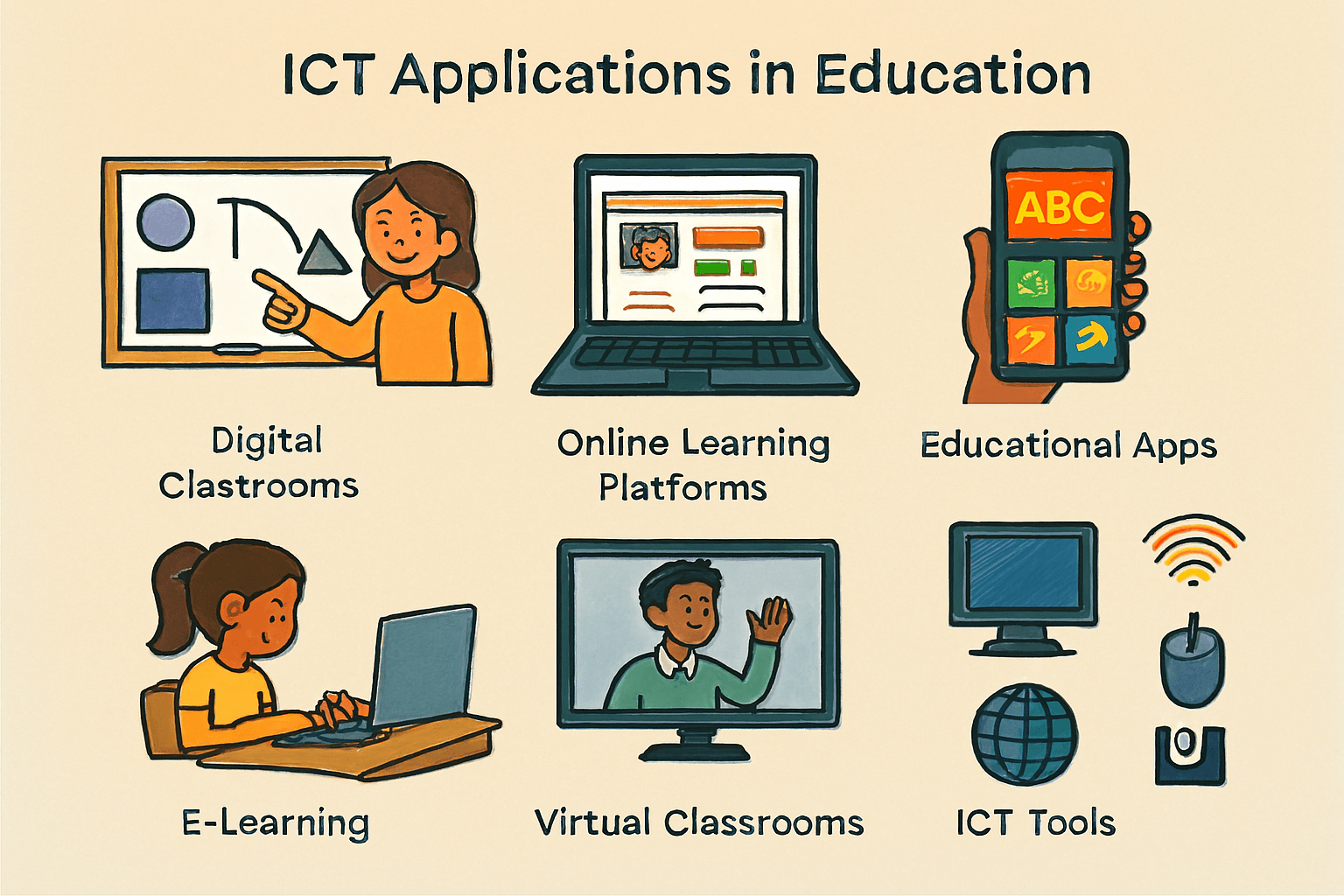
ICT Applications in Education

Wishlist Share

About Course

Course Description

The course “ICT Applications in Education” is designed to equip educators with the skills and knowledge to effectively integrate Information and Communication Technology (ICT) into teaching and learning. It explores the use of digital tools, software, and online resources to enhance instructional delivery, facilitate student engagement, and improve learning outcomes. Participants will gain practical experience in using ICT to design lessons, create educational content, and implement innovative teaching strategies in various educational settings.


Learning Outcomes

By the end of this course, participants will be able to:

  1. Demonstrate the effective use of ICT tools in lesson planning and delivery.

  2. Integrate digital resources and multimedia into classroom instruction.

  3. Apply ICT to assess and track students’ learning progress.

  4. Develop interactive and engaging educational materials using technology.

  5. Utilize online platforms and applications to enhance collaboration and communication in teaching.

  6. Evaluate the impact of ICT on teaching and learning outcomes.


Target Audience

  • Teachers and educators at all levels of education.

  • School administrators and curriculum developers.

  • Education trainers and facilitators seeking to enhance digital teaching skills.

  • Pre-service teachers and students of education programs interested in ICT integration.

Show More

Course Content

Overview of ICT in Education
Information and Communication Technology (ICT) in education refers to the use of digital tools, resources, and applications to support teaching, learning, and administrative processes. ICT enhances access to information, facilitates interactive learning, and improves communication between teachers and students. It includes tools such as computers, tablets, projectors, educational software, online learning platforms, and the internet. The integration of ICT in education promotes learner-centered approaches, supports innovative teaching methods, and enables effective assessment and feedback. It also prepares students with essential digital skills needed in the 21st century. Despite challenges such as limited infrastructure and digital literacy, ICT remains a key driver in improving educational quality and accessibility.

  • Introduction
  • Historical Milestones in ICT Development
  • Importance of ICT in Education
  • Reflection 1
  • Challenges of ICT Applications in Education

Current Trends in ICT
Current Trends in ICT refers to the emerging developments and innovations in information and communication technology that are shaping how people live, work, learn, and interact. It focuses on advancements such as artificial intelligence, cloud computing, the Internet of Things, 5G connectivity, big data analytics, cybersecurity, and digital learning tools. These trends highlight the shift towards smarter, faster, and more secure technologies that support globalization, enhance efficiency, and promote sustainable solutions across different sectors.

ICT Policies for Education
ICT Policies for Education provide the guiding framework for how Information and Communication Technologies are integrated into teaching, learning, and school management. They outline a country’s or institution’s vision, goals, and strategies for using technology to improve access, equity, quality, and efficiency in education. These policies typically cover areas such as infrastructure development, digital literacy, teacher training, e-learning platforms, data security, and inclusive access for marginalized groups. The overall aim is to ensure that technology is not just an add-on, but a strategic tool for transforming education systems, preparing learners for the digital economy, and bridging the digital divide.

Digital Citizenship
The Digital Citizenship module explores how individuals, especially students and educators, can engage responsibly, safely, and ethically in the digital world. It emphasizes developing the knowledge, skills, and values needed to navigate online spaces thoughtfully and productively. The module covers key themes such as digital literacy, online safety, privacy and security, responsible communication, and ethical use of technology. Learners examine issues like cyberbullying, digital footprints, plagiarism, and intellectual property, understanding how their online behavior impacts themselves and others.

ICT Tools And Resources
The module on ICT Tools and Resources explores how technology can enhance teaching, learning, and professional practice. It introduces various digital tools and platforms that support collaboration, creativity, and effective classroom management. The module also focuses on selecting appropriate ICT resources to meet diverse learner needs, integrating them meaningfully into lessons, and using technology to promote engagement and digital competence among students.

Communication and Collaboration Tools in Educational Settings
This module explores how digital communication and collaboration tools enhance teaching and learning. It covers various platforms such as email, discussion forums, video conferencing, and collaborative software (like Google Workspace, Microsoft Teams, and learning management systems). The focus is on how these tools support interaction between teachers and students, promote teamwork, and enable sharing of resources and ideas. The module also discusses best practices for effective communication, online etiquette, and strategies for fostering engagement and inclusivity in virtual and hybrid learning environments.

Enhancing Teaching and Learning With ICT
This module introduces practical ways teachers can use digital tools to support learning. It explains how technology can enrich lessons, make content clearer, and give learners more chances to explore ideas on their own. It also shows how ICT can help teachers plan better, organize learning activities, assess progress, and create an interactive classroom where every learner is engaged. The module encourages thoughtful use of technology so that it strengthens teaching rather than replacing good practice.

ICT Implementation Strategies
The ICT Implementation Strategies module focuses on practical ways to integrate technology effectively into teaching and learning. It covers planning and managing digital tools, selecting appropriate resources, and aligning technology use with curriculum goals. The module emphasizes teacher preparation, professional development, and creating a supportive learning environment where ICT enhances engagement and understanding. It also addresses challenges such as limited access, digital literacy gaps, and maintaining student focus, while highlighting strategies to overcome them. Overall, the module equips educators with the skills and approaches needed to use ICT purposefully to improve learning outcomes.

Digital Literacy and Citizenship
Digital Literacy and Citizenship refers to the knowledge, skills, and behaviors required to use technology safely, responsibly, and effectively. It involves not only the ability to operate digital tools but also understanding how to evaluate information, communicate respectfully online, and protect personal data. Digital citizenship emphasizes ethical use of technology, including respecting intellectual property, avoiding cyberbullying, and participating positively in online communities. In education, fostering digital literacy and citizenship equips students to navigate the digital world confidently, think critically about online content, and engage in safe, responsible, and meaningful interactions.

Future Trends And Innovations In ICT
This module explores emerging technologies and innovations that are shaping the future of education and society. It covers trends such as artificial intelligence, virtual and augmented reality, cloud computing, Internet of Things (IoT), and adaptive learning systems. The module emphasizes how these technologies can enhance teaching, learning, and administrative processes by improving personalization, engagement, and efficiency. It also addresses potential challenges, including digital equity, data privacy, and the need for ongoing teacher training. Understanding these trends equips educators and learners to adapt to a rapidly evolving digital landscape and to leverage innovations for improved educational outcomes.

Earn a Certificate of Completion

Add this certificate to your resume to demonstrate your skills & increase your chances of getting noticed.
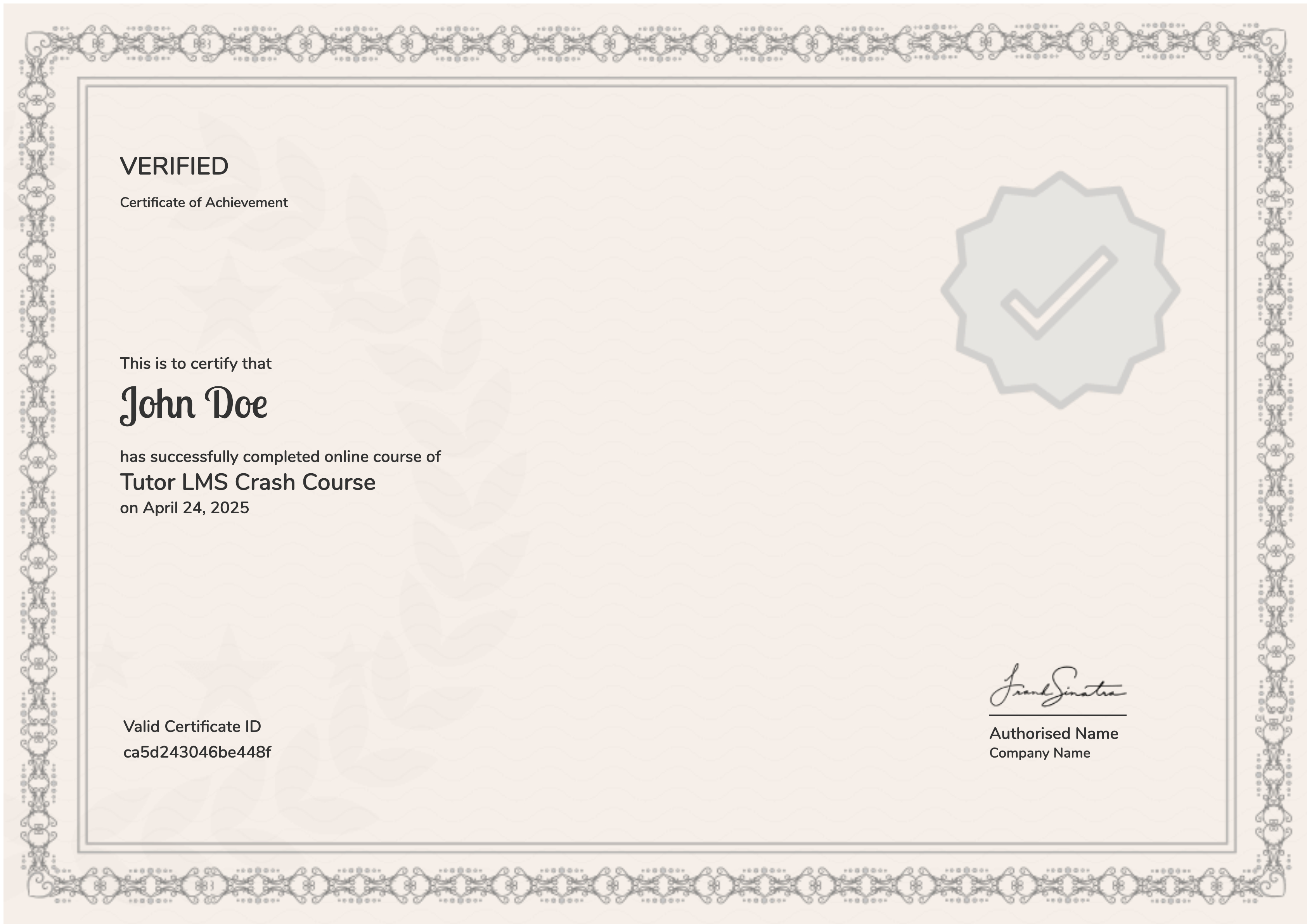
selected template

Student Ratings & Reviews

No Review Yet
No Review Yet

Want to receive push notifications for all major on-site activities?

Gilbert Mutingu Jaddy

Gilbert Mutingu Jaddy

Founder, Director & Chief Executive Officer

I will be back soon

Gilbert Mutingu Jaddy
Hey! We’ve got a great sale offer running. I am happy to tell you about it. Let me know if you've any questions.
Contact Us Today
chat